
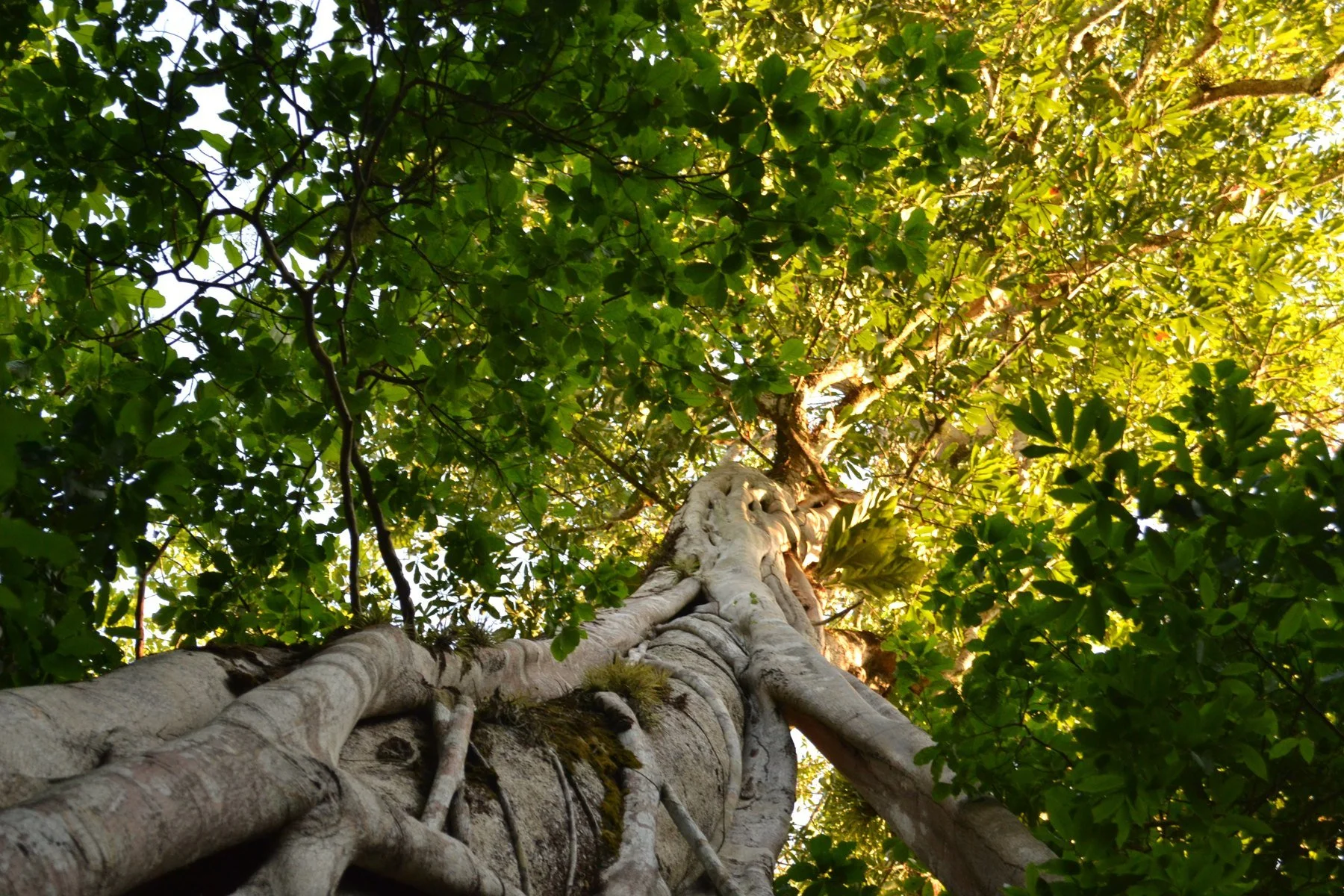
Beyond the classroom. Into the living world.
COSTA RICA / A LIVING LAB
Explore tropical ecology, investigate changing landscapes, and turn field experience into lasting understanding.
EXPLORE. OBSERVE. QUESTION. UNDERSTAND.
Tropical dry forest · Ecological inquiry · People & land · Learning through evidence
A LIVING CLASSROOM
The forest is alive. So is the learning.
Exploravista brings environmental education into the field—where ecological processes become visible, measurable, and deeply memorable. Based at Hacienda Loma Linda beside the Karen Mogensen Reserve, our developing center connects tropical dry forest ecology, working landscapes, and the people who shape them.
FOREST ECOLOGY
How does a forest return?
Explore biodiversity, species relationships, and succession. Practice tree measurement and plot surveys across forest edges and regenerating habitats.
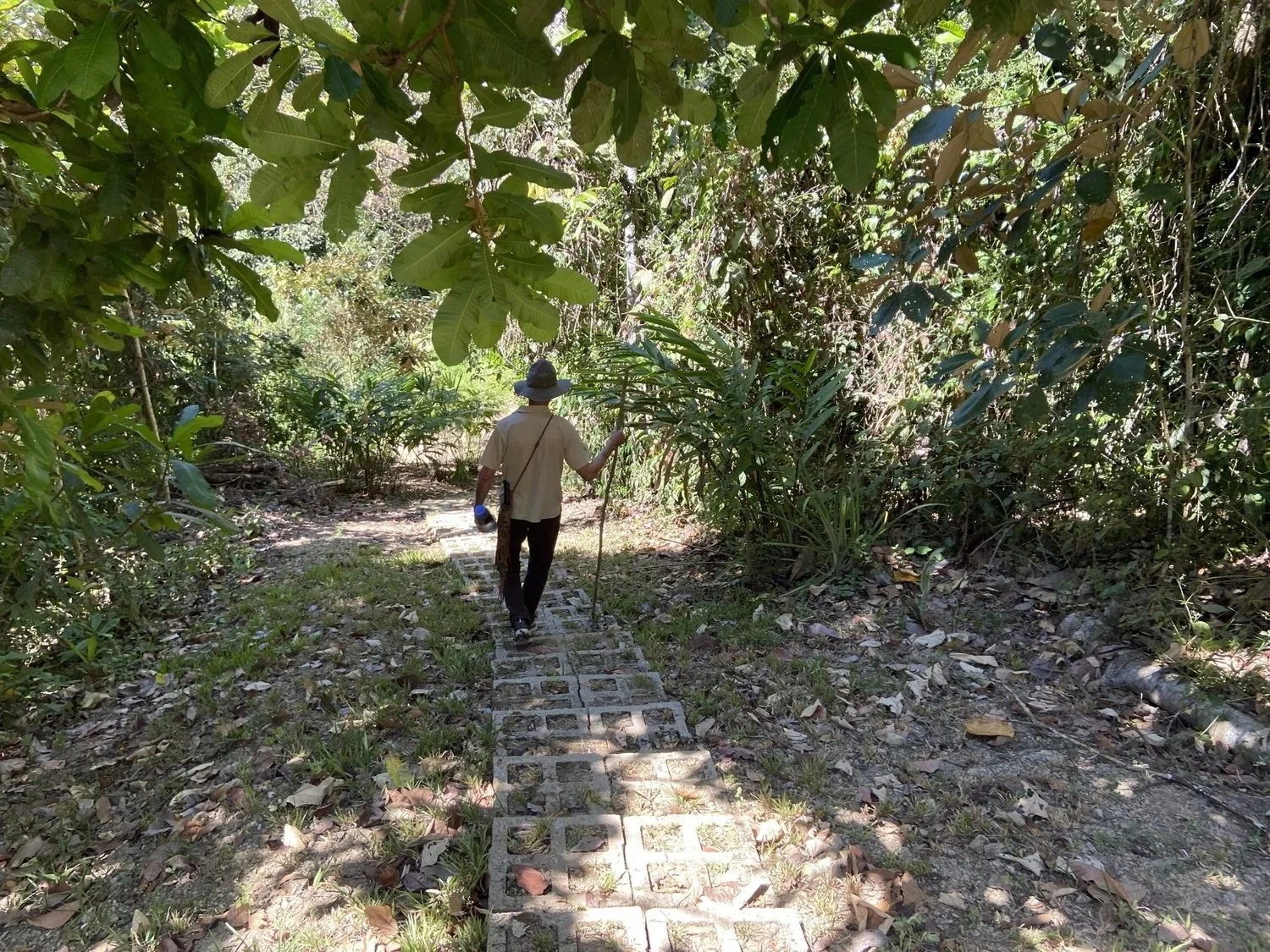
WATER & LANDSCAPE
Follow the connections.
From forest streams to working land, investigate the relationships between vegetation, water, and ecological stewardship.
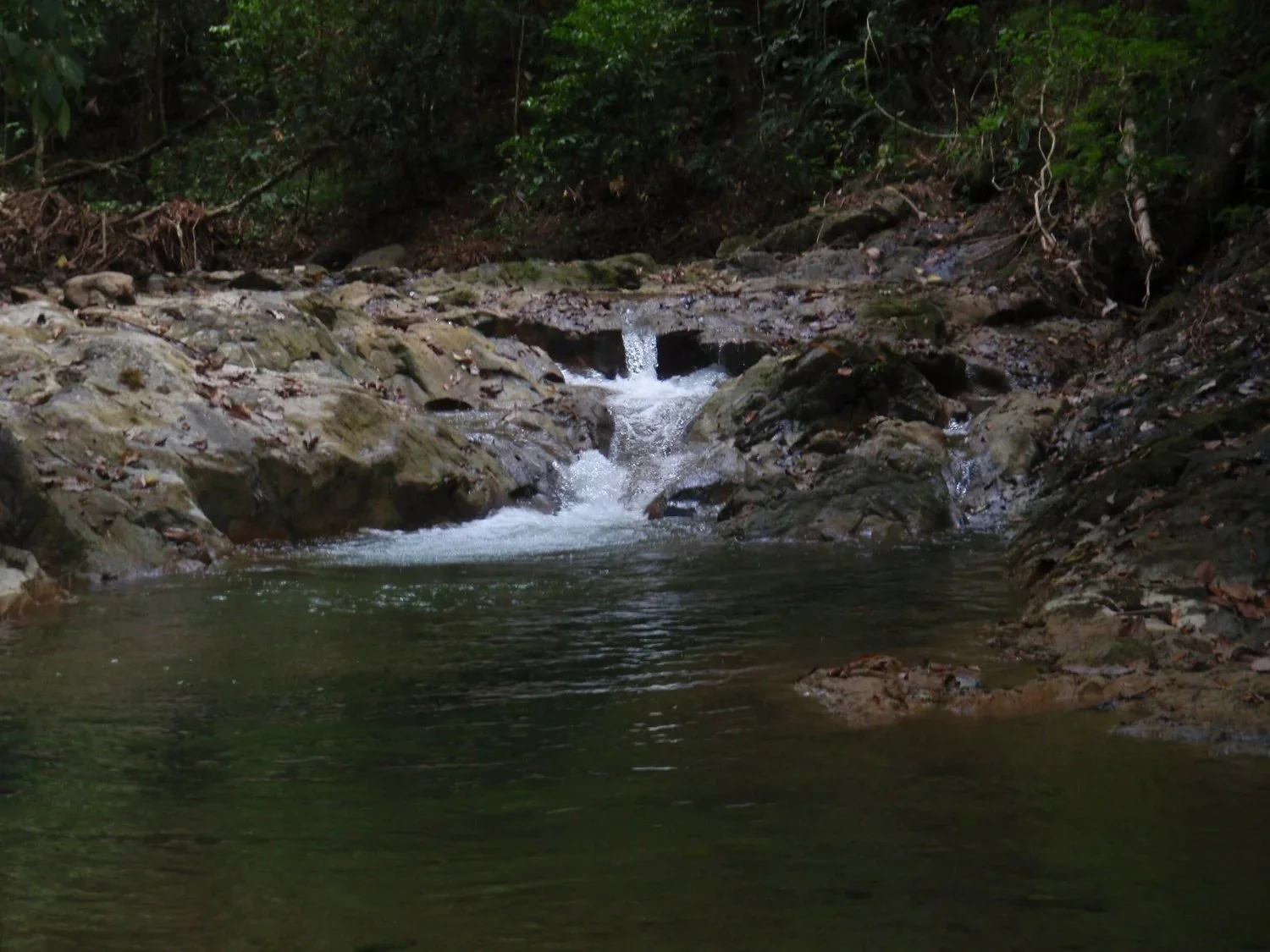
PEOPLE & LAND
Where landscapes meet.
Investigate regeneration, silvopasture, and the choices linking production with conservation at Hacienda Loma Linda.
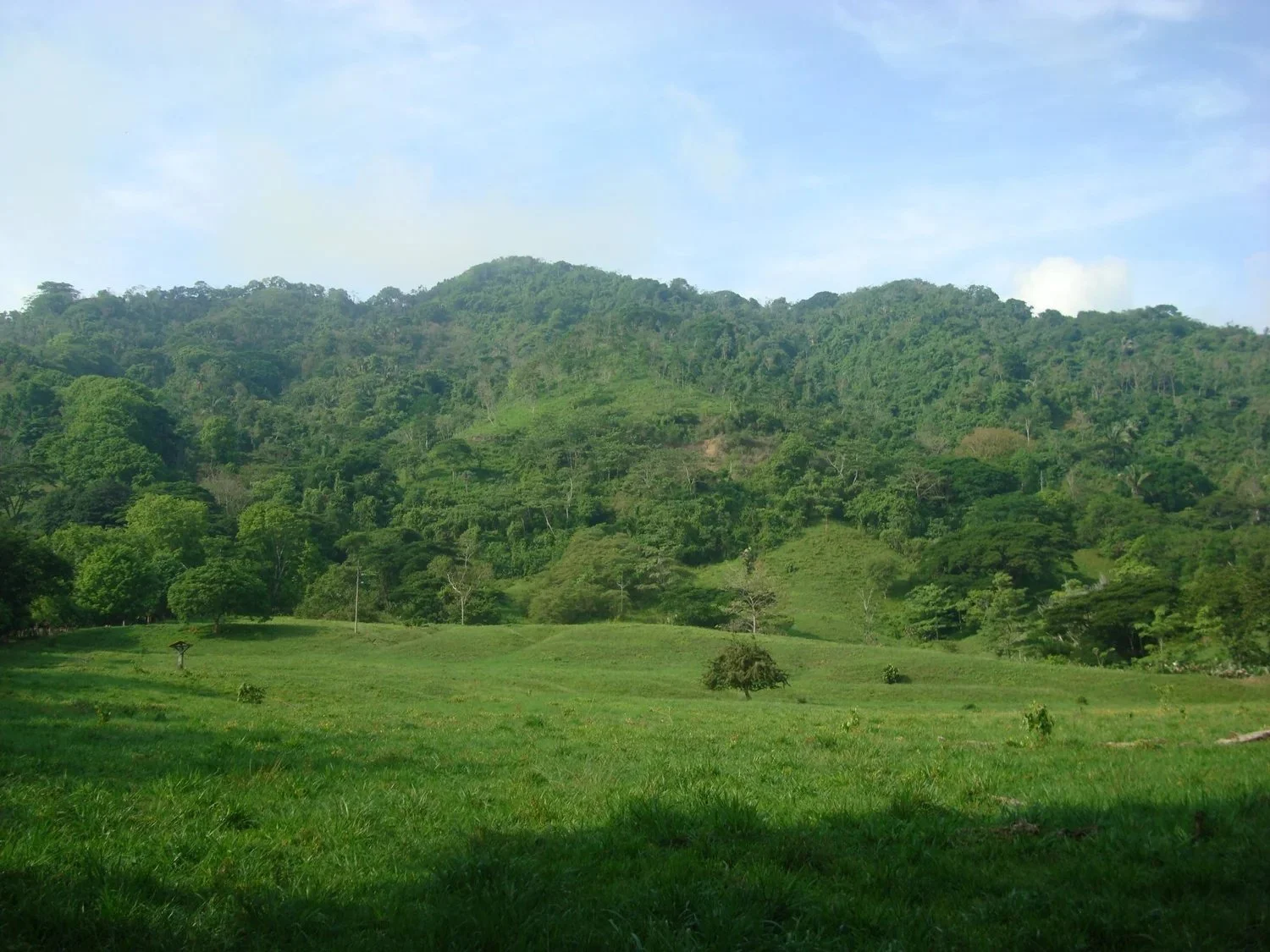
FROM FIELDWORK TO UNDERSTANDING
Good questions. Evidence that lasts.
Students build the habits of ecological inquiry: careful observation, consistent measurement, clear records, and thoughtful interpretation.
Ask & observe
Recognize a pattern. Frame a question rooted in this landscape.
Measure & check
Follow a consistent protocol. Record context, check units, and review the evidence.
Interpret & share
Compare results, discuss uncertainty, and connect the findings with conservation.
From record to result: field notes → cleaned datasets → figures → presentations.
Illustrative investigation: Compare tree regeneration at a pasture edge and within regenerating forest. Develop a question, follow a consistent protocol, and interpret the patterns—and the uncertainty. This is an example learning activity, not a report of monitoring results.
THE CENTER / IN DEVELOPMENT
A place to gather. A base to explore.
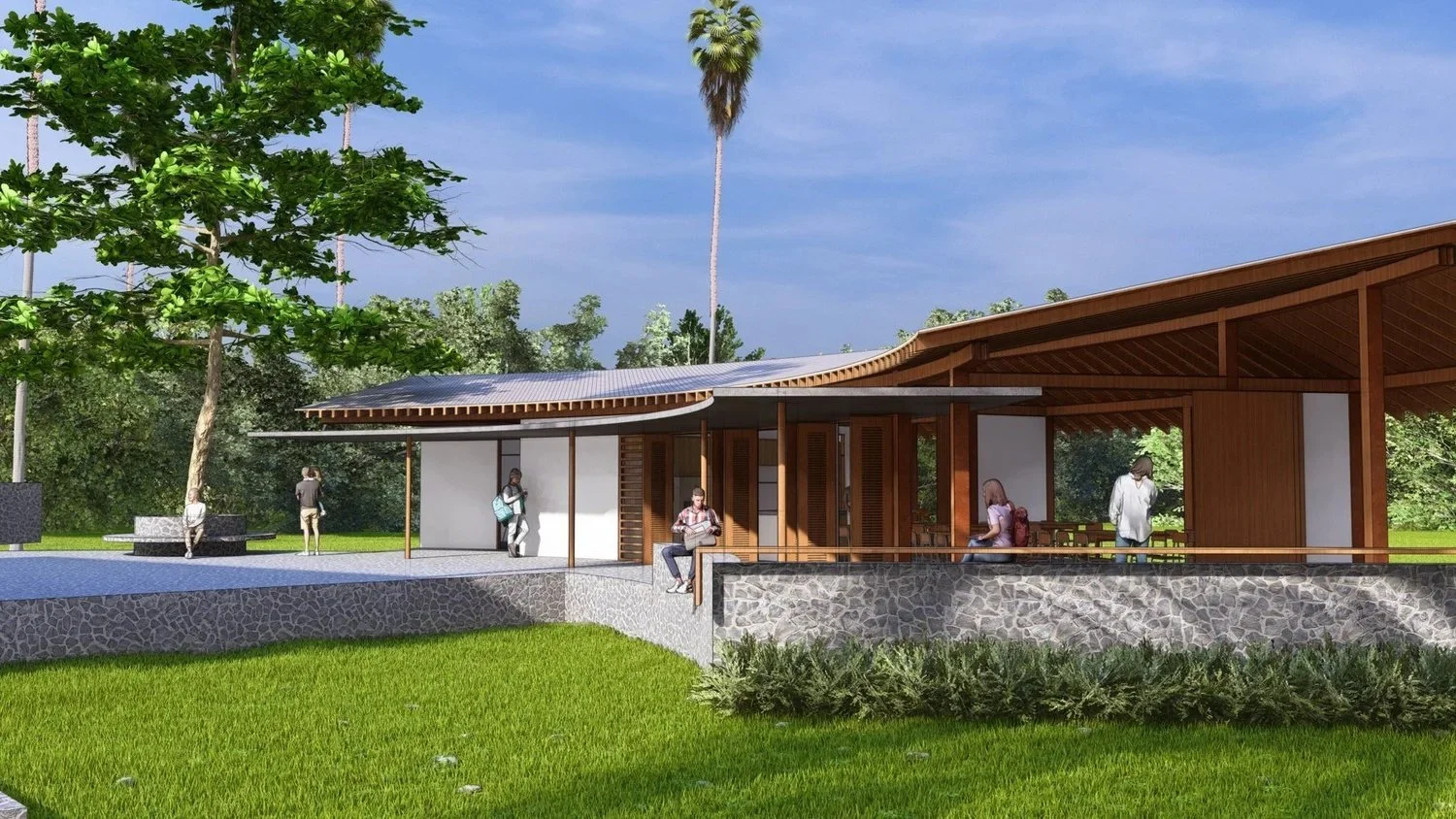
Designed for small educational groups, with spaces to prepare for the field, share meals, examine evidence, and keep the conversation going.
14 student beds planned
Six dorm rooms plus educator accommodation.
Learning beyond the field
A communal rancho is planned for teaching, meals, and synthesis.
Near Río Blanco / Jicaral, Guanacaste, on Costa Rica’s Nicoya Peninsula.
Renderings show the planned design, not completed buildings. Opening dates, capacity, services, access, and safety arrangements will be confirmed before booking.
PROPOSED PROGRAM FORMATS
Your learning goals. A world of field questions.
Proposed formats provide a starting point. We shape the scope with your institution, student level, and course objectives.
Day Field Intensive
A focused introduction to ecology, observation, and a shared field question.
2–3 Day Methods Micro-Intensive
Compare landscapes, practice protocols, and connect data with interpretation.
5–7 Day Residential Field Cohort
Connect ecology modules, field practice, analysis, and a group investigation.
Programs are in development. Dates, field access, staffing, accommodation, and availability are confirmed individually. Custom academic programs are welcome.
SCIENCE IN CONTEXT
Know the place. Listen to its people.
Guanacasteco livelihoods, landscape histories, and local knowledge belong in the conservation conversation. Our curriculum vision includes Traditional Ecological Knowledge and potential Indigenous-led learning with the Chorotega community of Matambú. Any exchange would depend on community interest, consent, collaboration, and confirmation.
GROUNDED IN FIELD EXPERIENCE
Curiosity, with a scientific foundation.
Founder Omar Hernandez holds a Master of Environmental Studies from The Evergreen State College. His graduate research examined tropical dry forest succession in the Karen Mogensen Reserve, alongside years of practical land management at Hacienda Loma Linda.
The next horizon
Remote sensing, drone mapping, and long-term ecological monitoring can extend foundational field methods. These are developing capabilities, not currently promised services.
YOUR COURSE. THIS LANDSCAPE.
Bring your questions. Leave with perspective.
Tell us about your students, preferred dates, group size, and learning goals. Let’s explore what a field program could look like.
Plan your field program.
Share your course goals, group size, and preferred dates. Programs and facilities remain in development; details are confirmed individually.

EXPLORAVISTA / COSTA RICA
Explore. Observe. Question. Understand.
Learning with the landscape.
Hacienda Loma Linda · Costa Rica
Field Programs · Field Gallery · info@exploravista.org
Center and programs in development.